SUMMARY: Algolia required a structured CI program to scale competitive coverage, improve insights using sales feedback, and measure what’s working. Algolia chose Klue based on the stellar sales and support experience, and integration options with Seismic, Slack and Salesforce. A PMM was hired to lead the program and in just 6 months, they’re seeing a 70% monthly Klue usage rate (4X increase since launch) and 95% sales confidence rating in depositioning competitors.
Algolia was looking to create a more structured competitive intelligence (CI) program. They had an existing CI tool in place to help source most intel about competitors, but didn’t have a workflow or organized method to deliver insights that reps and other teams could understand and quickly take action. They wanted to find more efficient ways to create battlecards, ‘uplevel’ the content and understand what was working vs not in deals. They also wanted to share all insights in their existing tech stack – Seismic, Salesforce and Slack.
Through their own research, the PMM team did find valuable competitive insights, but they were missing a key source – input from their sales team. Static pitch sheets were available in Seismic for reps, but there was no way to capture feedback at the moment.
They decided to build a structured competitive program that would be led by a dedicated Product Marketing Manager, who began consolidating existing insights and feedback from different teams to identify the content gaps and look for ways to scale the program as the company grew. Building sales trust and bridging communication gaps across multiple GTM teams were top of mind for her.
Competitive Enablement = more than just battlecards.
Battlecard content was expanded and improved to start, but In thinking about what mattered most to sales and product teams, the team designed their program to go beyond just sales battlecards. Valuable competitive differentiators were shared with product teams, execs and others who needed to know the bigger picture of their competitive landscape but also how Algolia was different.
In the first 6 months since launching their competitive program, Algolia has seen an incredible 70% avg user adoption rate. Starting with building a strong sales relationship and trust, they created meaningful insights to include in battlecards and other content outputs. Then, they crafted a more robust content strategy with the following:
- Video-based insights from Subject Matters Experts on ‘how to spot competitors’ in Klue cards and battlecards
- Making all Klue content -battlecards, digest, news feed – accessible in all sales tools, including Seismic, Salesforce and Slack
- Weekly measurement of which users engage and access which battlecards and insights
- A wide spectrum of push and pull content, making it easy for users to find what they need, when they need it, and sharing a consistent flow of competitive insights
How a team of ‘one’ builds a Competitive Enablement program
Building a competitive program from scratch with limited time and resources took great planning and a strategic approach, particularly by a team of one. Here’s how she did it:
- Alignment with the Executive team to better understand organizational priorities.
- Create an open forum for feedback from sales, solution engineers, product managers and their leadership to strengthen relationships and gather accurate intel on the competition.
- Listening in. Recorded sales calls, including tone, messaging and buyer language to better understand how reps pitch Algolia.
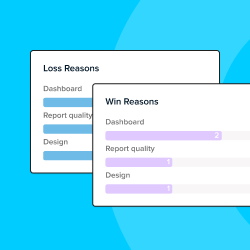
- Getting the big picture on their competitive landscape – wins, losses and why – including analytics on highest usage battlecards and searches.
- Partnering with Klue Services to conduct a Competitive Threat Analysis to determine top competitive threats and biggest impact to revenue.
Algolia helps businesses build and optimize the search and discovery experience resulting in significantly enhanced online engagement, increased conversion rates and enriched lifetime value that generates profitable growth. Today, Algolia powers 1.5 Trillion searches a year – that’s 4 times more than Bing, Yahoo, DuckDuckGo, Baidu and Yandex combined.